
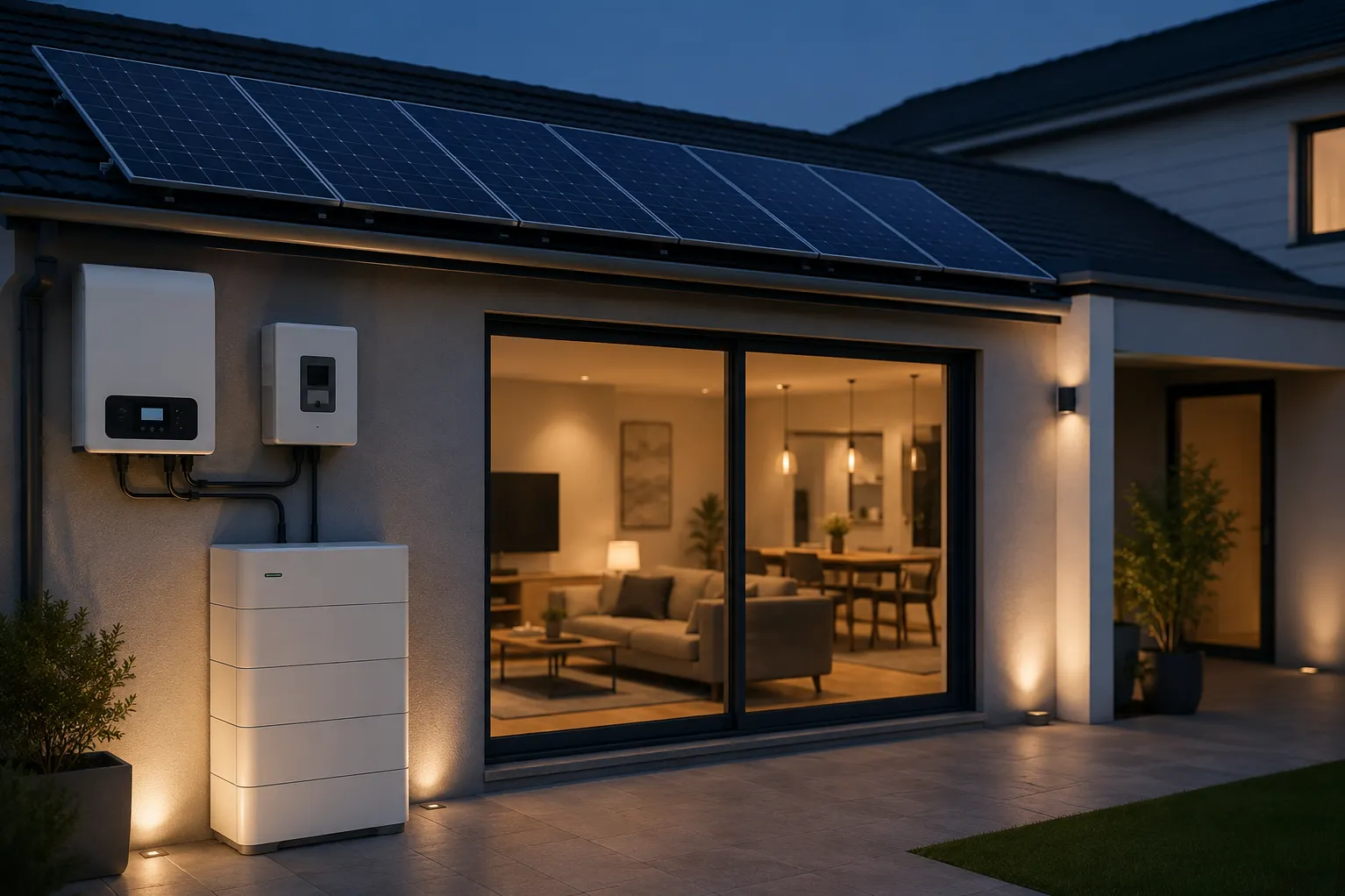
Power interruptions and rising electricity costs have encouraged many homeowners and businesses in Nashik to explore solar energy. While solar panels generate electricity during the day, a solar battery backup system helps store excess energy so it can be used when sunlight is unavailable or during power outages. Understanding how these systems work can help you make an informed decision before investing in renewable energy.
What Is a Solar Battery Backup System?
A solar battery backup system stores surplus electricity produced by solar panels instead of sending all of it back to the grid. The stored energy is available whenever your property requires additional power, such as during cloudy weather, nighttime, or grid failures.
A typical system consists of:
- Solar panels
- Solar inverter
- Battery storage
- Battery management system
- Monitoring software
- Safety and protection equipment
Together, these components ensure efficient energy storage and reliable power distribution.
Why Battery Backup Is Becoming More Important
Electricity demand continues to increase across Maharashtra, especially during summer months when air conditioners, pumps, and industrial equipment operate continuously. Having stored solar energy offers several practical advantages.
Some of the key benefits include:
- Backup power during unexpected outages
- Better utilization of solar-generated electricity
- Lower dependence on the electricity grid
- Reduced monthly electricity expenses
- Improved energy independence
Instead of relying solely on grid power after sunset, stored solar energy keeps essential appliances running without interruption.
Where Solar Battery Backup Systems Are Used
Battery storage solutions are no longer limited to residential properties. They are increasingly adopted across different sectors.
Common applications include:
Residential Homes
Families can power lights, fans, refrigerators, Wi-Fi routers, and essential appliances during outages.
Commercial Buildings
Retail stores, offices, and shopping complexes can continue operations without major disruptions.
Industrial Facilities
Factories and manufacturing units use stored solar energy to support production equipment and reduce downtime.
Educational Institutions
Schools and colleges benefit from uninterrupted electricity for classrooms, laboratories, and administrative offices.
Healthcare Facilities
Hospitals and clinics require dependable backup power for medical equipment and emergency services.
How Does the System Work?
The process is straightforward.
- Solar panels generate electricity during daylight.
- Household or business loads consume the required energy first.
- Excess electricity charges the battery.
- Once the battery reaches full capacity, additional electricity may be supplied to the grid if the system allows.
- During nighttime or power failures, the battery supplies stored electricity automatically.
This seamless transition helps maintain uninterrupted power for selected appliances.
Factors to Consider Before Installing One
Not every property has identical energy requirements. Before selecting a battery backup system, evaluate several important factors.
These include:
- Daily electricity consumption
- Available rooftop space
- Battery capacity requirements
- Expected backup duration
- Future energy expansion plans
- Local weather conditions
- Installation quality
Professional system sizing ensures optimal performance and prevents unnecessary investment in oversized or undersized systems.
Choosing the Right Battery Technology
Modern solar installations commonly use advanced battery technologies that offer higher efficiency and longer operational life than traditional alternatives.
When comparing options, consider:
- Charging speed
- Energy storage capacity
- Cycle life
- Maintenance requirements
- Safety features
- Warranty coverage
Selecting the appropriate technology depends on your energy consumption pattern and long-term goals.
Growing Demand
Nashik has seen increasing adoption of rooftop solar systems due to abundant sunlight and growing awareness of renewable energy. Residential communities, commercial establishments, educational institutions, and industrial units are recognizing the value of combining solar panels with battery storage for improved energy reliability.
Companies such as E-Solution Renewable provide guidance on designing battery-backed solar systems that align with varying energy needs while considering local climate conditions and installation requirements.
Making Solar Energy More Reliable
Installing solar panels is an important step toward clean energy, but adding battery storage enhances the overall effectiveness of the system. Whether your priority is reducing electricity bills, maintaining uninterrupted operations, or improving energy independence, a solar battery backup system offers practical long-term value.
As battery technology continues to advance, these systems are becoming more efficient, more compact, and better suited for homes and businesses throughout Nashik and the rest of Maharashtra.
Keywords


